
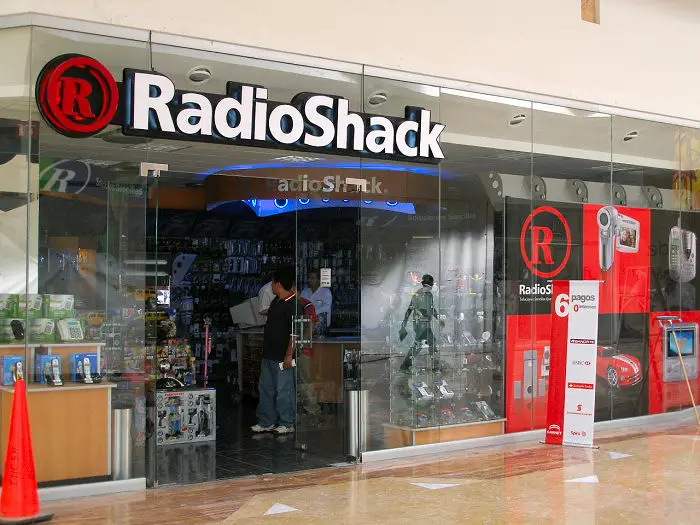
RadioShack Business Collapse Lessons About Failing to Evolve With Technology
A store can lose the future long before it loses the lease. The RadioShack Business Collapse matters because it was not a simple tale of Amazon beating another old retailer. RadioShack failed because it drifted away from the people who once needed it most, bet too hard on low-margin phones, underbuilt online shopping, and kept too many stores without a strong reason for customers to visit. For American founders, publishers, and local shop owners, the lesson is sharp: technology does not kill a business by itself. Confusion does. A brand has to keep earning its place in the customer’s routine. That is why digital visibility, clear positioning, and publisher growth strategy belong in the same conversation as product and pricing. If people no longer know why you matter, better signage will not save you. RadioShack once felt like a neighborhood repair bench, parts drawer, and gadget guide in one place. By the end, many shoppers saw a phone kiosk with batteries near the register. The story still stings because the same mistake waits for any business that mistakes activity for progress. The danger is familiar: a company can keep selling while its reason for being slowly expires.
RadioShack Business Collapse Shows What Happens When a Niche Gets Abandoned
RadioShack was not born as a generic electronics store. Its old strength came from serving people with problems that big retailers did not care to solve. Need a resistor, solder, antenna adapter, odd cable, scanner, or switch? The store was small, but the promise was exact. That was the hidden power behind its electronics retail strategy. It did not need to beat Walmart on TVs. It needed to be the place where a curious person could walk in with a broken thing and leave with a fix. Once that promise blurred, the company lost more than a product category. It lost the emotional reason people forgave higher prices and cluttered aisles.
Why electronics retail strategy lost its center
The early appeal was physical, local, and personal. In many U.S. towns, the store clerk knew why a coaxial connector mattered or which battery pack fit a toy from ten years ago. That gave RadioShack a strange advantage. It was not always cheap, and the aisles were not glamorous, but it removed friction from small technical jobs. A shopper did not need to become an engineer before buying a part. The store translated the mess.
Then the center shifted. The company moved away from hobbyists and toward mass-market devices. That choice looked sensible on a spreadsheet because mobile phones were growing fast. Yet a retail technology failure often begins when management follows a hot category without asking whether the brand has a right to win there. The phone wall brought familiar logos, but it also made the store less distinct. A carrier plan is not a soldering lesson.
A San Diego dad fixing a school science project did not need another place selling a carrier plan. He needed the odd part and the person who could explain it in plain English. When RadioShack made that customer feel secondary, it gave up the one crowd that did not see the store as interchangeable. That crowd may have been smaller than the phone market, but it carried trust. Trust is slower to grow than traffic, and easier to lose.
The counter became less useful when customers changed
The American consumer changed too. People stopped repairing many gadgets and began replacing them. Phones became sealed glass slabs. Laptops grew thinner. Cars hid more electronics behind computer-controlled systems. That shift made the old parts-bin model harder, but not worthless. It meant the help had to move up a level: from spare parts alone to projects, setup, troubleshooting, and guided learning.
Here is the counterintuitive part: the maker movement, Arduino boards, Raspberry Pi projects, home automation, and school robotics were rising while RadioShack was losing its old soul. The company did not have to stay frozen in 1988. It could have turned its repair culture into classes, kits, project bundles, weekend demos, and local STEM help. A Saturday “build a smart door sensor” workshop would have fit the brand better than another vague gadget display.
That is one of the deeper business adaptation lessons. You do not protect a niche by preserving every old product. You protect it by following the job the customer is trying to finish. RadioShack protected too much of the store format and too little of the customer mission. For a modern business, this is the first warning sign: when your loyal buyers change, your old shelf map becomes a memory, not a plan. The brand that survives is the one that can name what it is still here to solve.
A Phone-First Turn Hid the Real Customer Problem
RadioShack tried to look modern by selling what was hot. Phones, service plans, accessories, and carrier deals put fresh demand inside the stores. At first glance, this sounded like smart business adaptation. The problem was that phones pulled the company into a market where its old advantages mattered less. A customer buying a phone compared price, plan terms, brand, and carrier perks. RadioShack was no longer the local expert with rare parts. It was one more counter in a crowded race. The deeper damage was subtle: employees had to sell contracts instead of solve weird tech problems, so the store’s personality changed at the counter.
Mobile sales looked modern but weakened the brand
The mobile push created a dangerous illusion. Revenue can make a weak move look healthy for a while. If a category brings traffic but lowers control, margin, and identity, it can feed the store while starving the brand. That is close to what happened here. Shoppers might walk in for a phone upgrade, but the relationship often belonged to the carrier, not to RadioShack.
Carrier economics changed. Big-box chains, carrier-owned stores, and online sellers fought for the same phone buyer. RadioShack had to spend attention on activations, commissions, rebates, and service issues. The old maker customer, who once came in for parts and advice, saw less space and less care. When a brand trains staff to push what partners want sold, the store can sound less like an expert and more like a script.
This is why a retail turnaround planning guide should start with customer identity before product mix. A dying store does not need any hot category. It needs the right category. Phones made RadioShack appear current, but they did not answer why shoppers should choose it over Best Buy, Verizon, AT&T, Walmart, or the web. If your strongest reason to visit can be copied by a larger rival, you do not have a strategy. You have borrowed momentum.
Retail technology failure often starts with a wrong scoreboard
A management team can stare at sales and miss meaning. If mobile phones produce half of store activity, leaders may call that proof of demand. A sharper question is whether those sales make the business harder to copy. In RadioShack’s case, the answer kept getting worse. The company was measuring volume in a category where it had shrinking power.
The wrong scoreboard rewards movement. More activations. More accessories. More promotions. More foot traffic tied to deals. Yet the customer relationship becomes thinner. People return when the carrier contract needs attention, not because the store owns a trusted role in their life. That difference matters because loyalty built on convenience collapses when a more convenient option appears.
A local computer shop can make the same mistake today by chasing laptop resale while ignoring setup, data recovery, security, and small-office help. The box sale may feel larger. The service relationship may be the real asset. RadioShack teaches that a business can evolve into a busier version of something weaker. Growth that erases your best reason to exist is not growth you can count on.
Stores Became a Burden Because the Experience Stopped Earning the Trip
At its height, RadioShack’s store network was a weapon. Small shops in strip centers and malls made the brand easy to reach. That mattered when parts were hard to find and customers needed an answer the same day. Later, the same footprint became expensive weight. The stores did not fail because physical retail died. Physical retail fails when the visit stops feeling worth the drive. When the 2015 bankruptcy process paired many surviving locations with Sprint, the message was plain: the old store model could no longer stand alone with confidence.
Small locations need sharp reasons to exist
A small store cannot win by carrying a thin version of everything. It needs a tight promise. For RadioShack, that promise could have been “we help you connect, fix, power, and build things today.” Instead, many locations felt uncertain. A customer might find a charger, a toy drone, a phone pitch, a random cable, and a few dusty drawers. The parts were there, but the story was missing.
That mix did not create confidence. It created browsing without belief. The store was too small to be a full electronics warehouse and too unfocused to be a specialist. In a mall, that is deadly. A shopper can forgive limited choice when the store gives expert help. A shopper can forgive less service when the price is low. RadioShack was caught between those two offers.
The concrete lesson for U.S. retailers is simple: rent is not paid by nostalgia. A store in Phoenix, Columbus, or Tampa has to answer one question before a customer leaves the driveway: “What can I solve there that is easier than ordering online?” If the answer is weak, the store becomes an ad for its own decline. The window sign may say open, but the customer has already moved the purchase elsewhere.
E-commerce was treated like an add-on, not the store’s new front door
RadioShack’s online problem was not only that Amazon existed. Many retailers faced Amazon and survived by using stores as service hubs, pickup points, advice centers, return desks, and local inventory engines. RadioShack had a brand that could have made online parts search feel less scary for regular people. It had the local footprint to pair digital search with same-day help.
The company’s own 2013 annual filing with the SEC showed that radioshack.com was part of a group of smaller business activities, each under 5% of consolidated net sales and operating revenues. That detail says a lot. Online shopping was not treated as the main doorway into the next version of the company. It sat too close to the edge of the business while customer habits moved to the center of the web.
Here is the non-obvious lesson: e-commerce would not have saved RadioShack as a plain catalog. The web had to become a project assistant. Search by problem, not SKU. Build a home theater kit. Find the missing cable. Learn how to solder. Reserve parts nearby. Book help. The failure was not only digital. It was a failure to translate old usefulness into a new channel. A digital shelf without guidance would have copied the weakest part of the store, not the best part.
What Modern Businesses Should Learn Before Their Own Market Moves
The story still matters because many U.S. businesses now face their own RadioShack moment. A local publisher, agency, repair shop, SaaS company, or home service brand may still have customers and cash flow. That does not mean the model is safe. Decline often begins while the numbers still look workable. The market moves first. The pain arrives later. By the time customers openly complain, many have already tested another option in private.
Protect the customer job, not the old product shelf
The customer job is the real business. RadioShack’s job was never “sell electronics.” That was too broad. Its stronger job was helping regular people solve small technology problems close to home. When that job changed, the company needed to change with it. The drawer full of parts mattered only because it helped someone finish a task.
This matters beyond retail. A newspaper is not in the paper business; it helps a community know what happened and what to trust. A tax office is not in the form business; it helps people avoid costly mistakes. A web design agency is not in the page business; it helps clients turn attention into leads. When leaders define the business too narrowly, they defend old tools after customers have moved to new ones.
That is why small business technology strategy should begin with the customer’s task. Ask what the buyer is trying to fix, avoid, learn, compare, or prove. Then build offers around that. The product shelf comes second. The same rule applies to content, services, software, and local retail. If you can describe the job clearly, you can change the offer without losing the brand.
Build experiments before the brand needs rescue
RadioShack did try new ideas, but many felt late, scattered, or disconnected from a clear identity. Rebrands and store refreshes can help only when the customer already understands the new promise. A campaign cannot repair a weak reason to visit. The “new look” must point to a new experience, or it becomes paint over confusion.
A better path is small testing while the brand still has strength. One store could test maker nights. Another could test repair desks. Another could test school robotics bundles. Online search data could shape local inventory. Email lists could segment teachers, hobbyists, parents, and small offices. None of that requires a giant bet at the start. It requires humility and a habit of measuring what customers do after the first visit.
The deeper business adaptation lessons are not glamorous. Listen earlier. Test cheaper. Keep the useful customer close. Kill confusing offers before they train people to ignore you. A brand does not need panic when it has a habit of learning. The painful truth is that rescue plans are often expensive versions of experiments that should have happened years earlier.
Conclusion
RadioShack is easy to mock from a distance, but that misses the hard part. The company had history, stores, awareness, and a real place in American tech culture. Those assets did not disappear in one bad quarter. They lost value because the business stopped matching the way people bought, built, repaired, and learned. The RadioShack Business Collapse proves that evolution is not a slogan. It is a discipline. It asks leaders to read quiet changes before decline turns into public proof. You keep the customer mission alive even when the products, channels, and habits around it change. That may mean fewer stores, deeper services, smarter online tools, or a narrower offer with a stronger point of view. The worst choice is pretending that recognition equals relevance. If your market is shifting, do not wait for the balance sheet to confirm what customers already feel. Study the job they hire you to do, rebuild around it, and make your next move while you still have room to choose.
Frequently Asked Questions
Why did RadioShack fail as a business?
RadioShack failed because it lost focus on its strongest customer role, leaned too hard into mobile phone sales, carried too many weak stores, and moved too slowly online. The company looked modern in parts, but shoppers no longer had a clear reason to choose it first.
What can small businesses learn from RadioShack?
Small businesses should protect the customer problem they solve, not the old way they sell. Products, tools, and channels will change. The safest business keeps asking why buyers come, what friction they face, and how the brand can solve that better than anyone nearby.
Was e-commerce the main reason RadioShack declined?
E-commerce was a major factor, but not the only one. The deeper issue was that RadioShack failed to move its old usefulness into digital form. A stronger online experience could have helped customers find parts, learn projects, reserve items, and get local support.
Did mobile phones hurt RadioShack’s brand?
Yes, because phone sales made the stores look current while weakening the brand’s special role. RadioShack became one more place to buy plans and accessories. That crowded market gave customers fewer reasons to value its old expertise, parts, and hands-on help.
How does RadioShack compare with Best Buy?
Best Buy survived by making stores more useful for advice, pickup, service, returns, and higher-value categories. RadioShack had smaller locations and less room for broad selection, so it needed a sharper specialist role. It did not hold that role strongly enough.
What is the biggest technology lesson from RadioShack?
The biggest lesson is that technology change punishes unclear positioning. A company can sell new devices and still fall behind. Real adaptation means matching the customer’s new habits, new questions, and new buying paths before competitors define them for you.
Could RadioShack have survived with a better strategy?
Yes, survival was possible, though not guaranteed. A smaller store base, stronger maker focus, better online tools, local repair support, project kits, and school technology programs could have given the brand a clearer place in the market as consumer electronics changed.
Is RadioShack still relevant for business owners today?
Yes, because the pattern repeats across industries. A business can have loyal customers, name recognition, and years of trust, then fade when the market changes faster than its offer. RadioShack is a warning to evolve before customers quietly move on.