
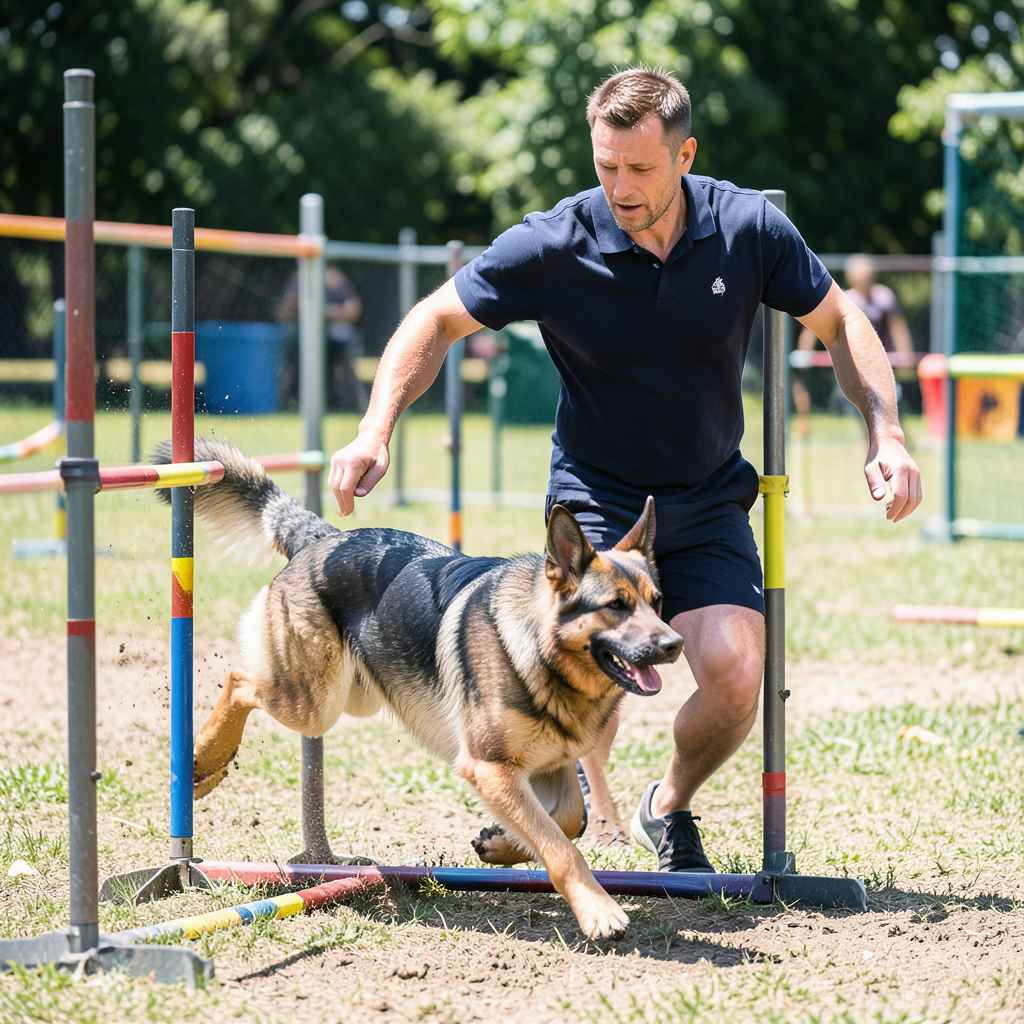
Canine Behavior Specialist Guide to Better Dogs 2026
If you’re struggling with obedience issues, aggression, leash pulling, or anxiety in your dog, working with a canine behavior specialist can completely transform your relationship with your pet. In 2026, dog training is no longer just about commands, it’s about understanding behavior, emotional triggers, and communication at a deeper level. A skilled canine behavior specialist focuses on identifying the root cause of issues rather than simply correcting symptoms.
In this guest post, we’ll explore how modern behavior science is reshaping dog training, what owners should expect from professional guidance, and how programs like those offered by Rob’s Dog Training are helping dogs and owners build lasting, balanced relationships. Whether you’re dealing with a high-energy puppy or an adult dog with ingrained habits, the right approach makes all the difference.
Understanding the Role of a Canine Behavior Specialist
A canine behavior specialist is more than a trainer, they are a behavioral analyst for dogs. Instead of focusing solely on obedience cues like sit or stay, they evaluate emotional responses, environmental triggers, and learned behaviors.
Their work often includes:
- Identifying anxiety-based behaviors (excessive barking, destructive chewing)
- Managing aggression and reactivity
- Correcting leash pulling and poor socialization
- Addressing separation anxiety
- Improving focus and impulse control
Unlike traditional training methods, behavior specialists focus on psychology-based solutions. This ensures that improvements are long-term rather than temporary fixes.
Why Modern Dog Owners Need a Canine Behavior Specialist
Dog ownership has changed dramatically over the past decade. Urban living, busy schedules, and increased social exposure mean dogs face more stimulation and stress than ever before. This is where a canine behavior specialist becomes essential.
Common challenges dog owners face today:
- Overstimulation in crowded environments
- Lack of early socialization in puppies
- Increased separation anxiety due to remote work changes
- Reactive behavior toward other dogs or strangers
Without proper intervention, these issues often escalate. A specialist helps break the cycle by addressing the emotional root of behavior instead of just the outward symptoms.
Science-Backed Training Methods That Actually Work
A modern canine behavior specialist relies on evidence-based methods grounded in behavioral science. These methods prioritize communication, trust, and reinforcement over punishment.
1. Positive Reinforcement Training
Rewarding desired behavior increases the likelihood of repetition. This builds confidence and strengthens the bond between dog and owner.
2. Behavioral Conditioning
Dogs learn associations between actions and outcomes. Specialists reshape negative associations into positive ones through controlled exposure.
3. Structured Environment Management
Adjusting the dog’s environment reduces triggers that lead to unwanted behavior, such as excessive barking or aggression.
4. Leadership and Consistency Training
Dogs thrive on structure. Consistent routines and clear boundaries help reduce confusion and anxiety.
Programs offered by Rob’s Dog Training are built around these modern principles, ensuring that both dogs and owners experience lasting progress rather than short-term compliance.
Signs Your Dog Needs a Behavior Specialist
Not all behavioral issues are obvious at first. Some develop slowly and worsen over time. Recognizing early warning signs can prevent long-term problems.
Watch for these indicators:
- Sudden aggression or growling
- Constant leash pulling or lunging
- Excessive barking at minor triggers
- Destructive behavior when left alone
- Fear-based reactions to normal situations
If your dog displays any of these behaviors consistently, consulting a canine behavior specialist can help prevent escalation.
What to Expect During a Behavior Consultation
Many owners are unsure what happens during a professional behavior assessment. A structured approach ensures clarity and measurable progress.
Typical process includes:
- Behavior evaluation – Understanding the dog’s history and environment
- Trigger identification – Pinpointing what causes unwanted behavior
- Customized training plan – Tailored strategies based on personality and issues
- Hands-on coaching – Teaching owners how to apply techniques correctly
- Follow-up adjustments – Refining methods as the dog progresses
This process ensures that training is not generic but highly personalized.
The Human Side of Dog Behavior Training
One often-overlooked aspect of dog training is the role of the owner. A canine behavior specialist doesn’t just train the dog, they educate the human.
Owners learn how to:
- Read canine body language
- Respond calmly to reactive behavior
- Maintain consistent communication
- Build trust-based leadership
This dual approach is what creates lasting transformation. Without owner participation, even the best training programs lose effectiveness.
How Behavior Specialists Improve Long-Term Dog Wellness
Behavioral issues are not just inconvenient, they can affect a dog’s mental and emotional health. Chronic anxiety or stress can lead to long-term behavioral decline.
Working with a canine behavior specialist helps:
- Reduce stress-related behaviors
- Improve emotional stability
- Strengthen social adaptability
- Increase confidence in unfamiliar environments
Over time, dogs become calmer, more predictable, and easier to integrate into daily life.
Choosing the Right Canine Behavior Specialist
Not all trainers offer the same level of expertise. When selecting a professional, look for:
Key qualifications:
- Experience in behavior modification (not just obedience training)
- Understanding of canine psychology
- Proven case studies or testimonials
- Transparent training methods
- Owner-focused coaching approach
A reputable provider like Rob’s Dog Training emphasizes education, real-world application, and long-term success rather than quick fixes.
Why 2026 Is the Era of Behavior-Focused Dog Training
The future of dog training is shifting toward behavior science and emotional intelligence. Instead of forcing compliance, trainers are now focused on understanding motivation and psychology.
This shift is important because:
- Dogs are more integrated into human lifestyles than ever
- Behavioral issues are more visible in social settings
- Owners expect humane, effective solutions
- Science-backed methods produce better long-term outcomes
A canine behavior specialist is now an essential part of responsible dog ownership, not a luxury.
Building Better Behavior in Dogs
A canine behavior specialist plays a critical role in transforming challenging dog behavior into balanced, manageable companionship. By addressing the root causes of aggression, anxiety, and disobedience, owners can achieve lasting improvements that go far beyond basic training.
Whether you are dealing with a young puppy or a mature dog with established habits, the right professional guidance makes all the difference. Organizations like Rob’s Dog Training provide structured, science-backed solutions that help dogs and owners build stronger, more respectful relationships.
If you’re ready to improve your dog’s behavior and quality of life, exploring professional behavior-based training is the next step toward a calmer, more connected home.
Learn more about expert guidance and personalized training programs here at robsdogs.